
At the young age of just 94 years old, legendary composer John Williams has just delivered his 30th film score for Steven Spielberg. And as if that milestone wasn’t wild enough already, it stands as one of the most accomplished works of his later career. Perhaps certain directors simply know how to ignite his imagination? How else to explain why Disclosure Day feels so cohesive and inspired, while, for example, his score for Indiana Jones and the Dial of Destiny, though impeccably crafted, often felt like a skilled but somewhat disjointed assembly of familiar Williams techniques, missing that elusive spark of magic?
Now, three years later, Williams has emerged from semi-retirement once again for Spielberg’s latest effort. On paper, the film hardly seems like the ideal breeding ground for creativity: it’s an old-fashioned, almost disarmingly naive take on modern issues, distinctly out of touch with the cultural zeitgeist. In an era of AI-generated videos, TikTok clips, and Gen Z sensibilities, Spielberg tries to convince us, that cable television is still relevant and that – in the end – the truth will be broadcast on TV screens around the globe, with no one expressing even the slightest hint of a doubt. Disclosure Day feels like the thoroughly outdated perspective of the old guard, deeply entrenched in a romanticized reimagining of the past.
But perhaps in these times of relentless cynicism and digital overload, a little antiquity might actually serve us quite well? Perhaps this sincere throwback to the spirit of classic Spielberg summer blockbusters may have been the very thing that inspired John Williams to compose another brilliant score at the ripe age of 94? A score that is sentimental, richly melodic, and thrilling, all in the best ways possible.
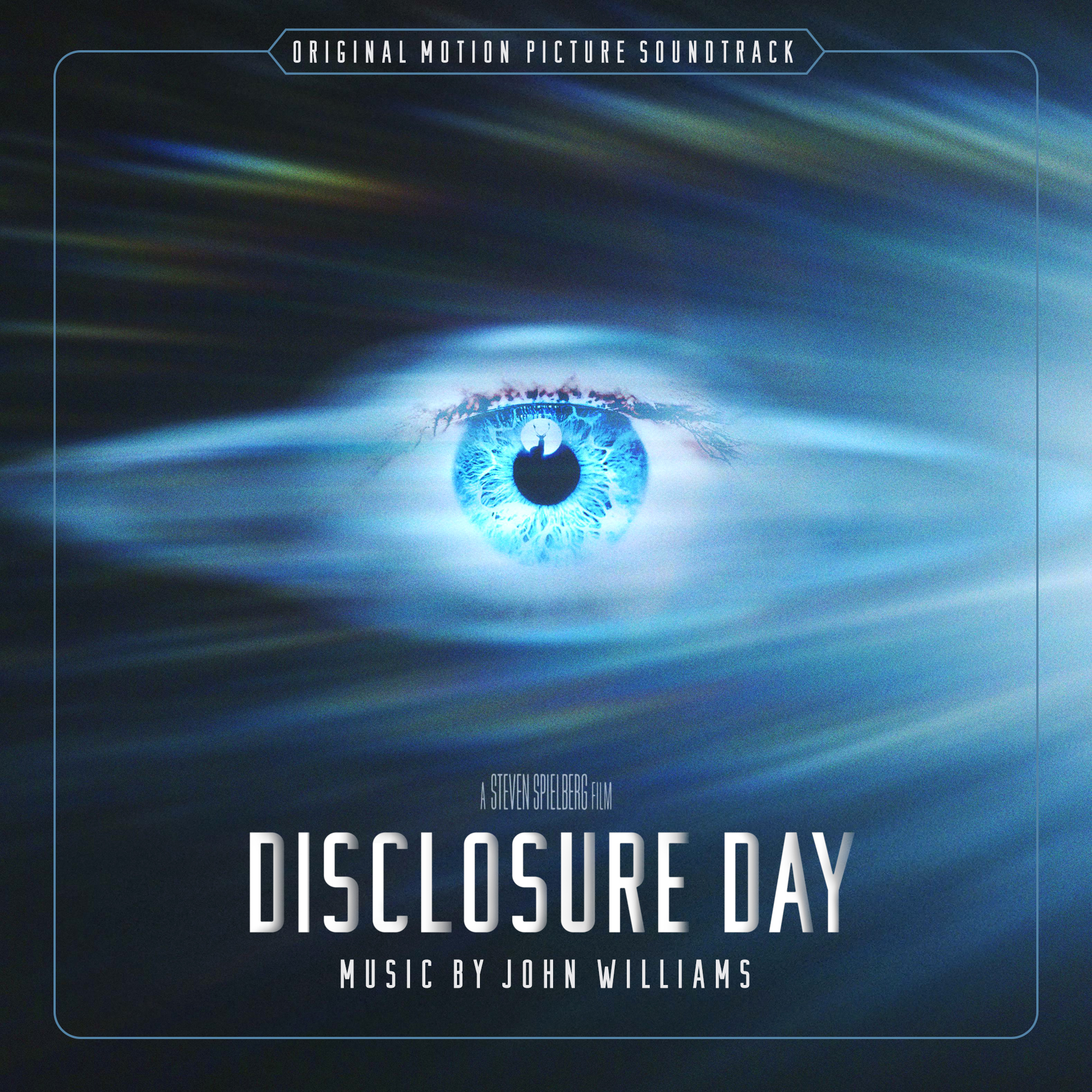
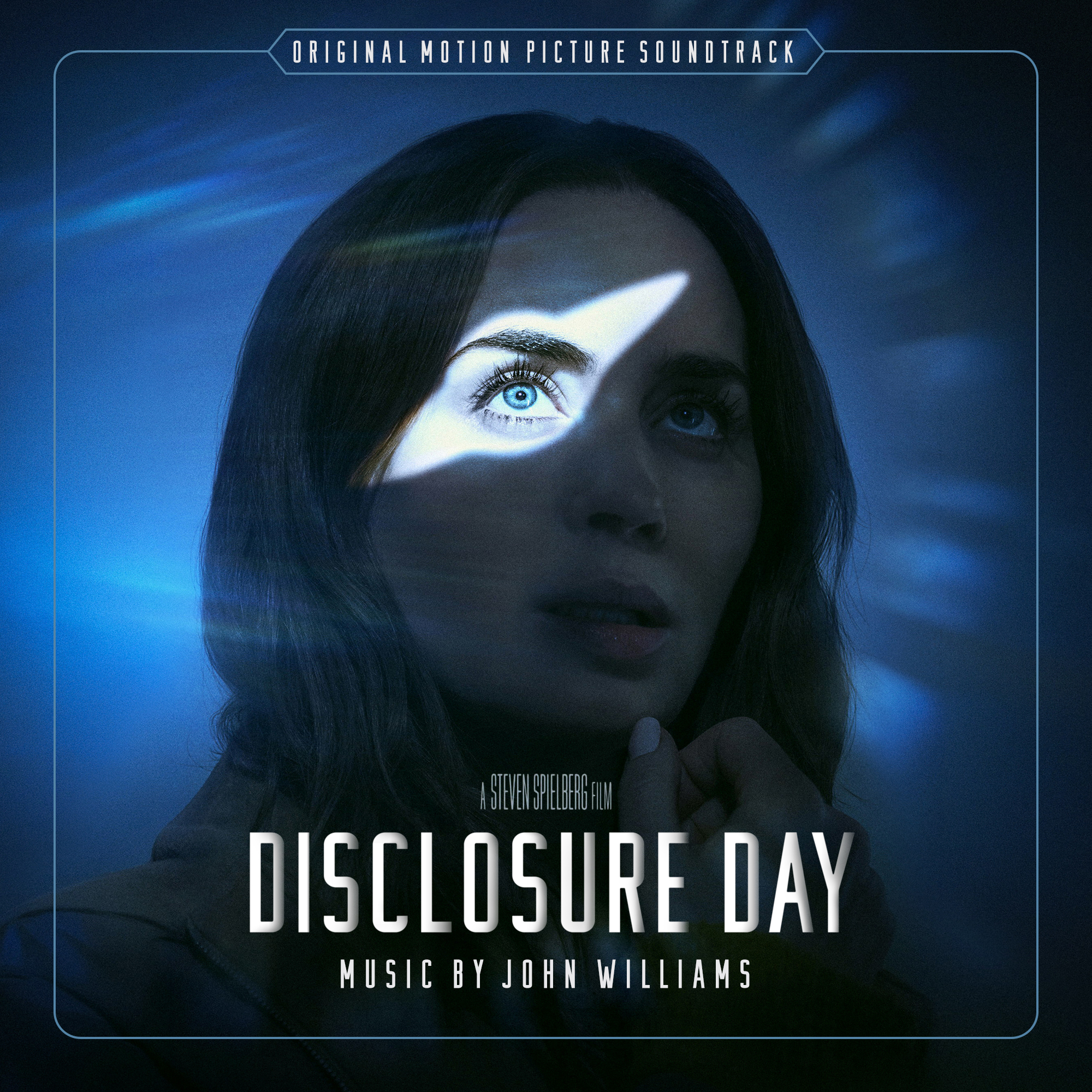
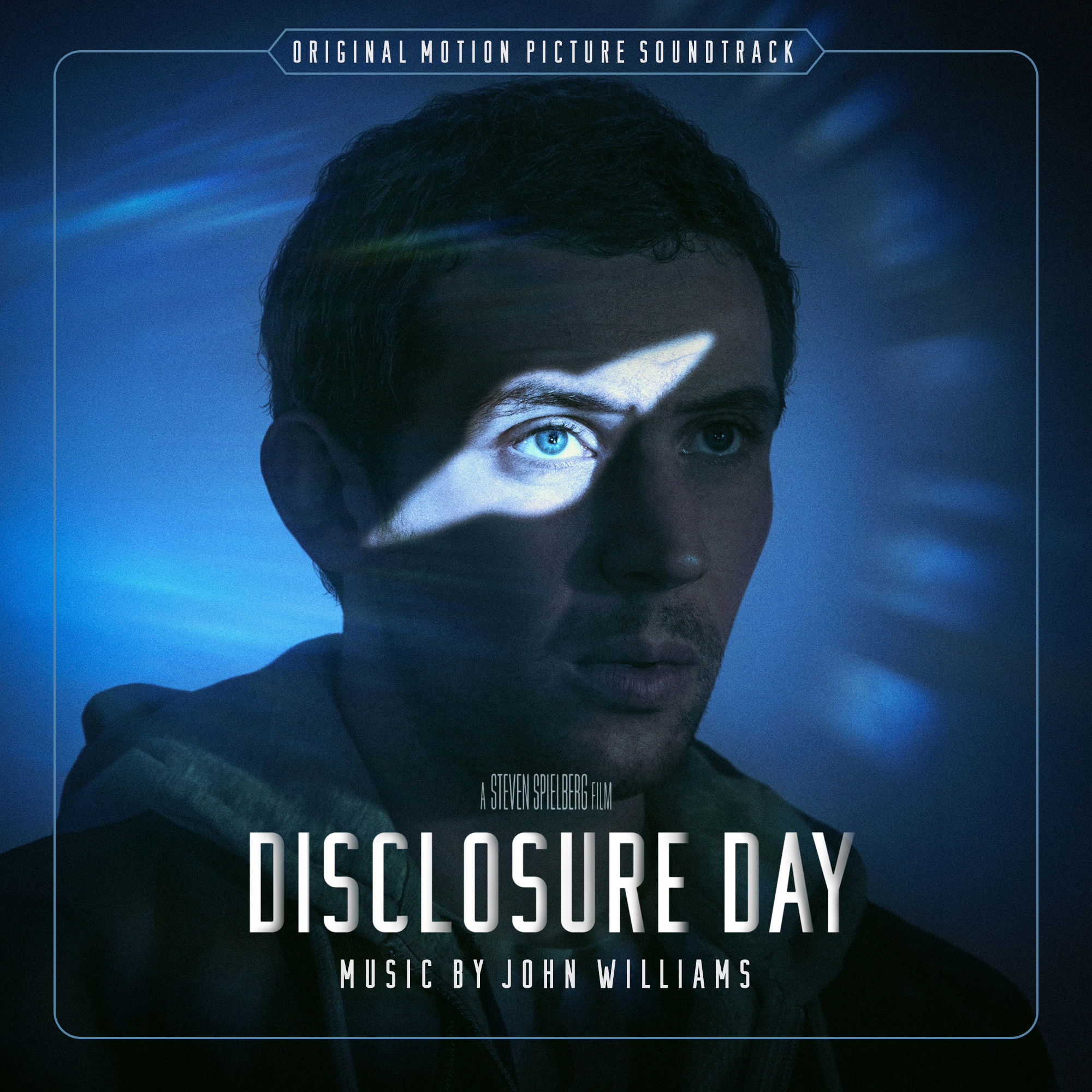
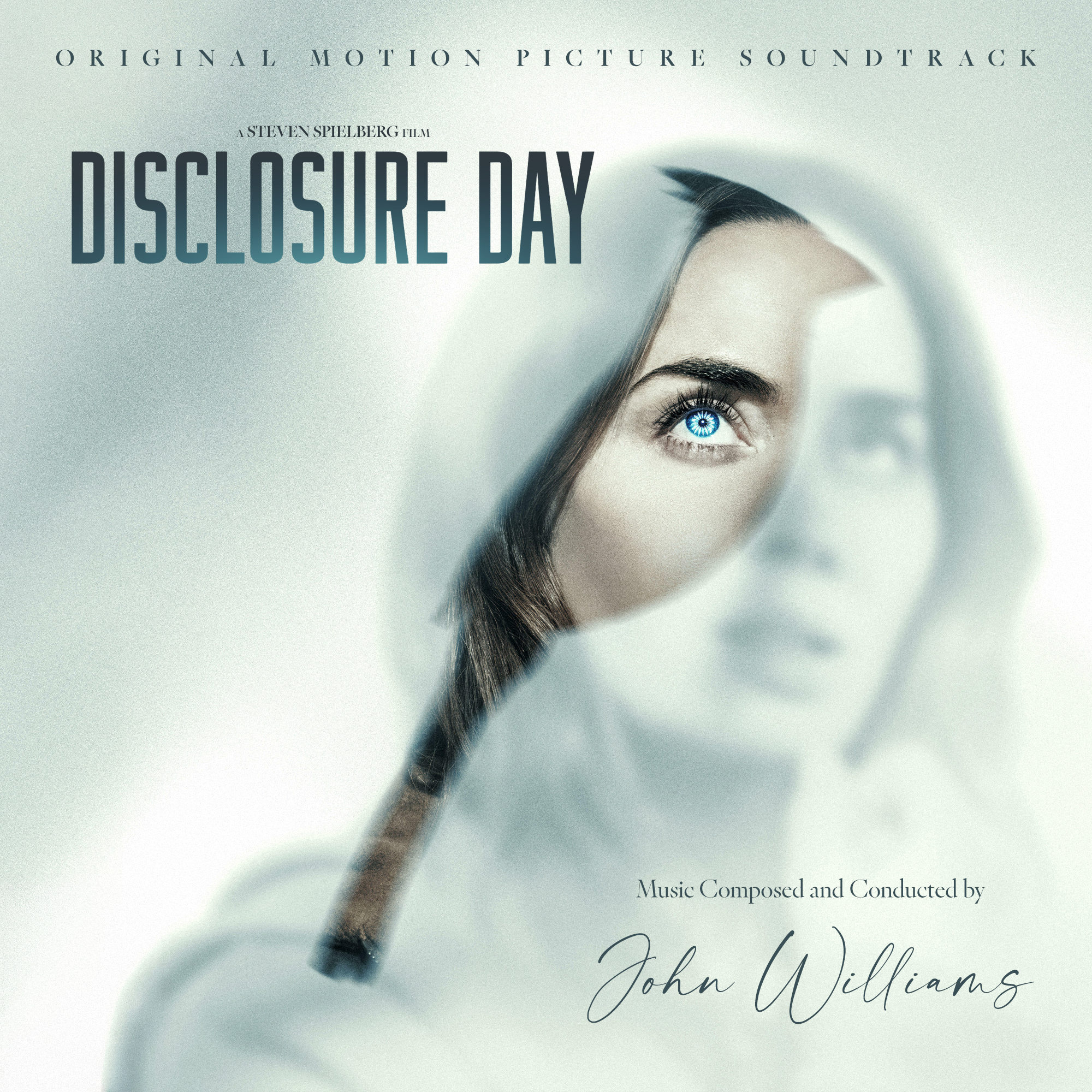
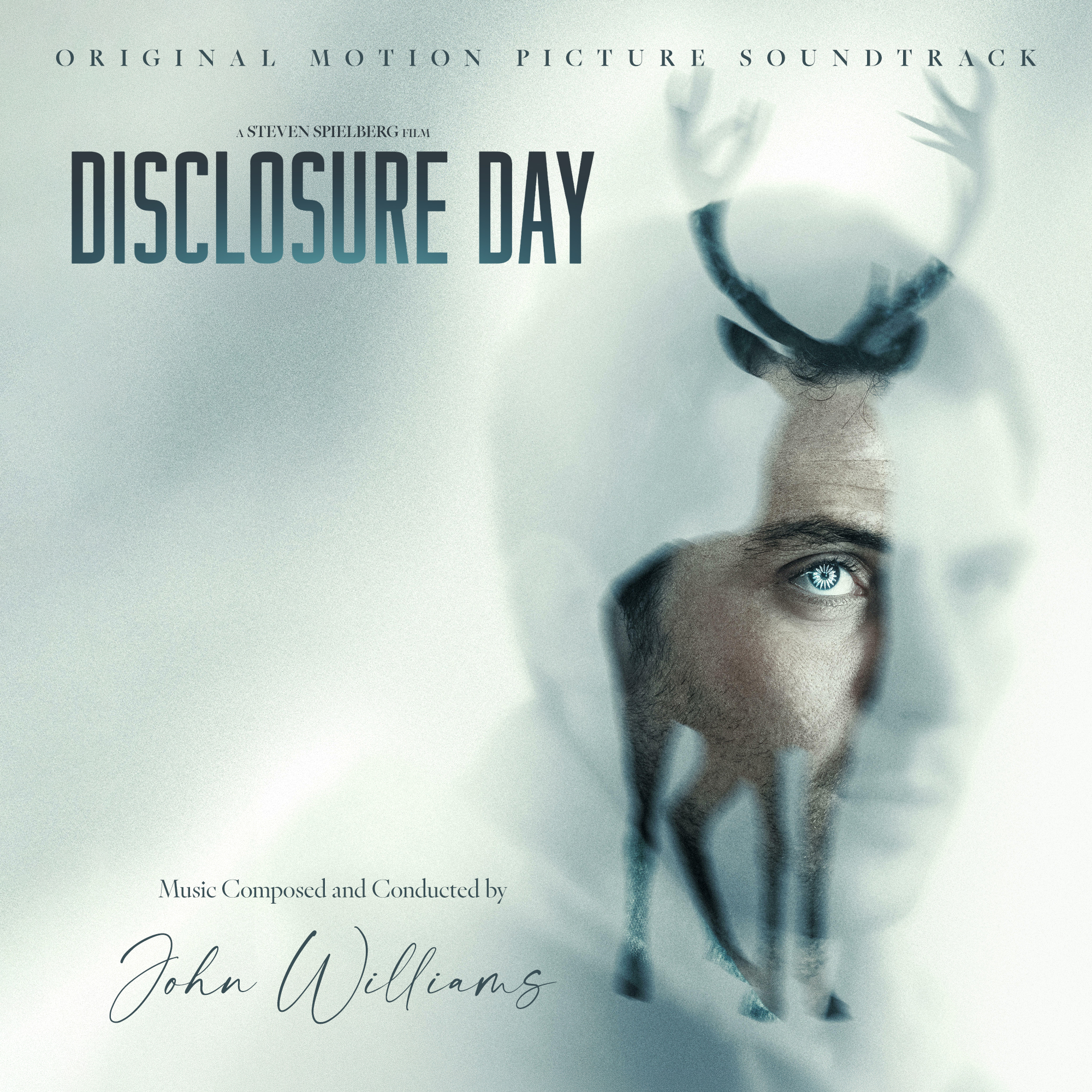
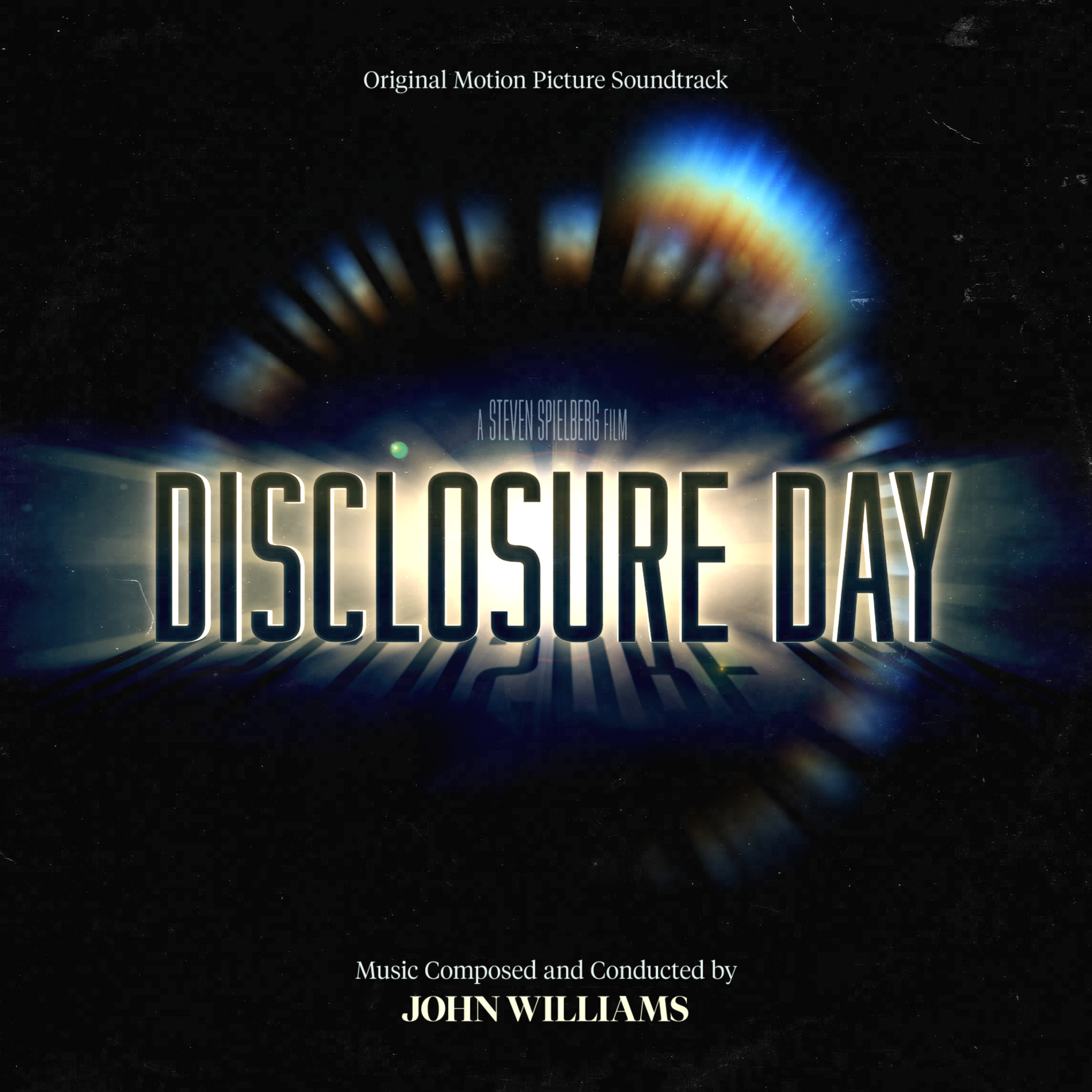
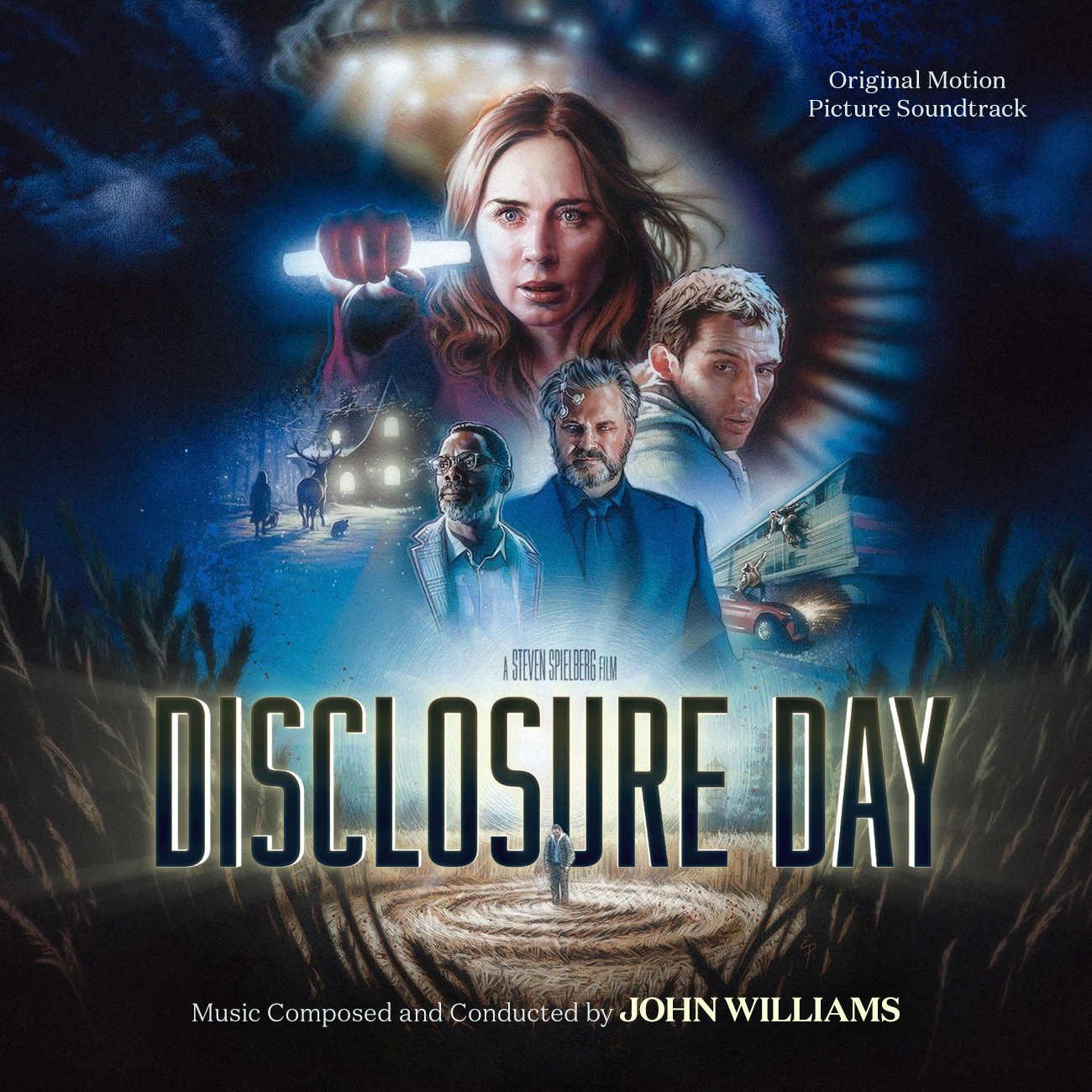
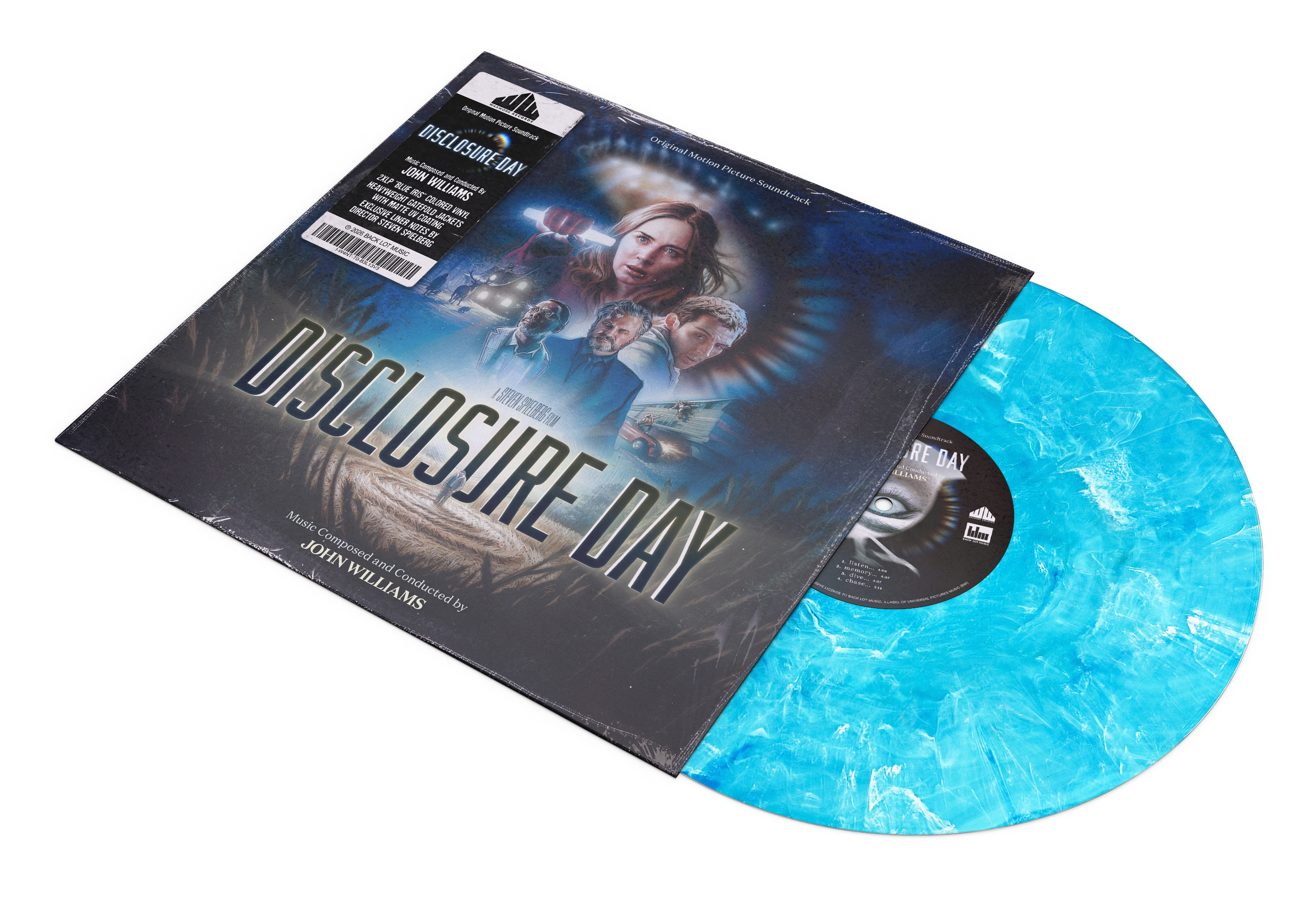
Something else that takes heavy inspiration from the past is my take on the soundtrack cover (#1). While I thought that the eye motif itself was quite appealing, the official soundtrack artwork just didn’t do it for me. It lacks structure and variety and my solution was to steal from one of my biggest inspirations: Jim Titus. I replicated the frame of his “Expanded Archival Collection” of A.I. Artificial Intelligence and also adopted the “A Steven Spielberg Film” wording from the original Jurassic Park soundtrack. The final result looks much more cohesive and compact, and I liked it so much that I’ve also used the same template for two more covers (#2, #3).
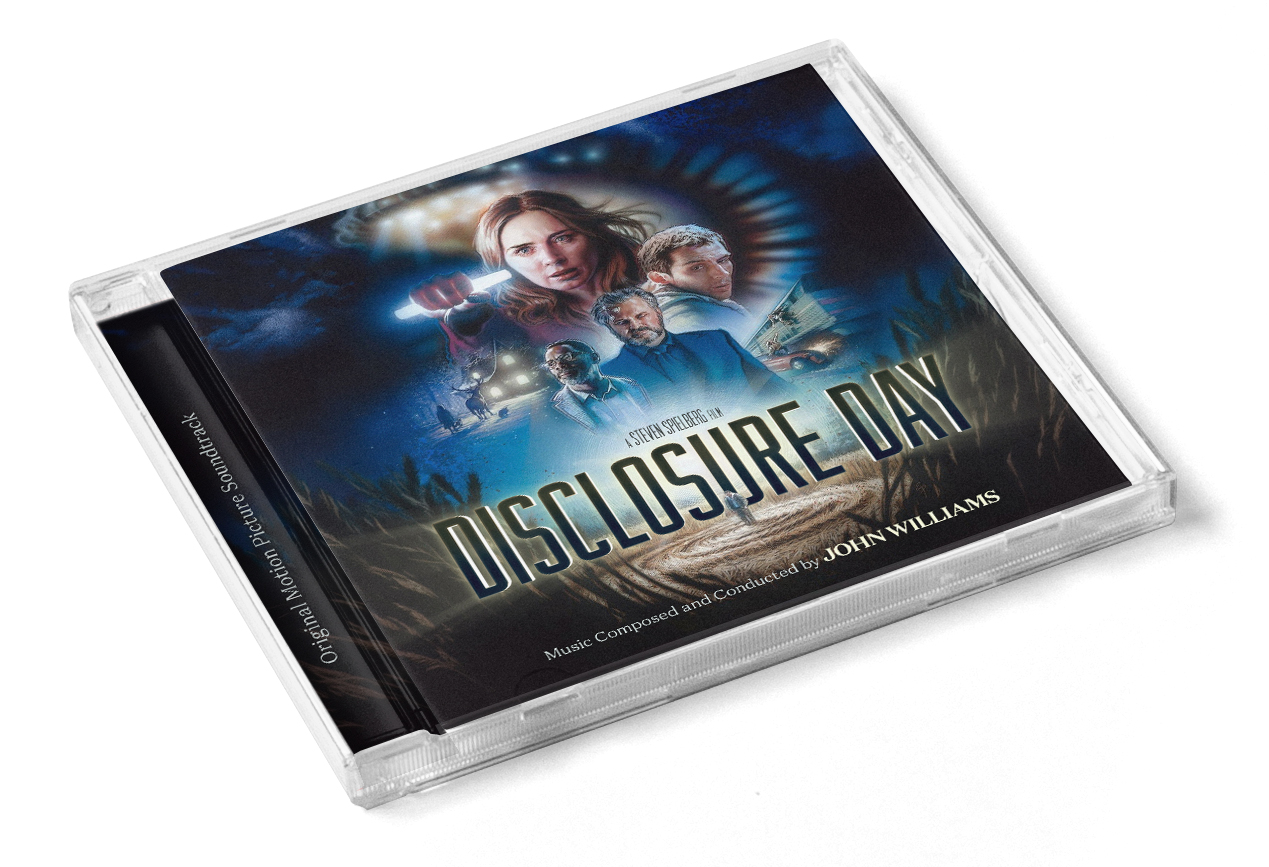
The final cover in this collection is based on a very pretty poster by Los Angeles-based illustrator Ethan Pro, who painted this lovely Drew Struzan-inspired piece. In my opinion, this artwork is much better suited as a front cover than what Waxwork Records decided to use for their deluxe double LP and CD release. But you’ll be the judge. My mockup below is just meant to help you decide.


Lovely work as always and I agree that the Ethan Pro artwork makes the best cover. Many thanks!
LikeLiked by 1 person