
There’s something wonderfully suspicious about quiet suburban streets in the ’80s. Bikes are leaning against the garages. Streetlights glow through the evening mist. Somewhere, a synthesizer is humming on the soundtrack. Everything looks perfectly familiar. And then something goes horribly wrong. The End of Oak Street feels like it was beamed in from an alternate universe where the great suburban adventure movies of the past were just a little darker, stranger and considerably more dangerous. It wears its nostalgia proudly, but thankfully never feels like a hollow exercise in retro worship. Instead, it takes those classic Spielberg tropes (kids, broken families, suburbia, mystery) and throws them into a surprisingly chilling horror adventure.
The result is a movie that sometimes feels more Spielbergian than Spielberg’s own recent works. And I mean that as a compliment!
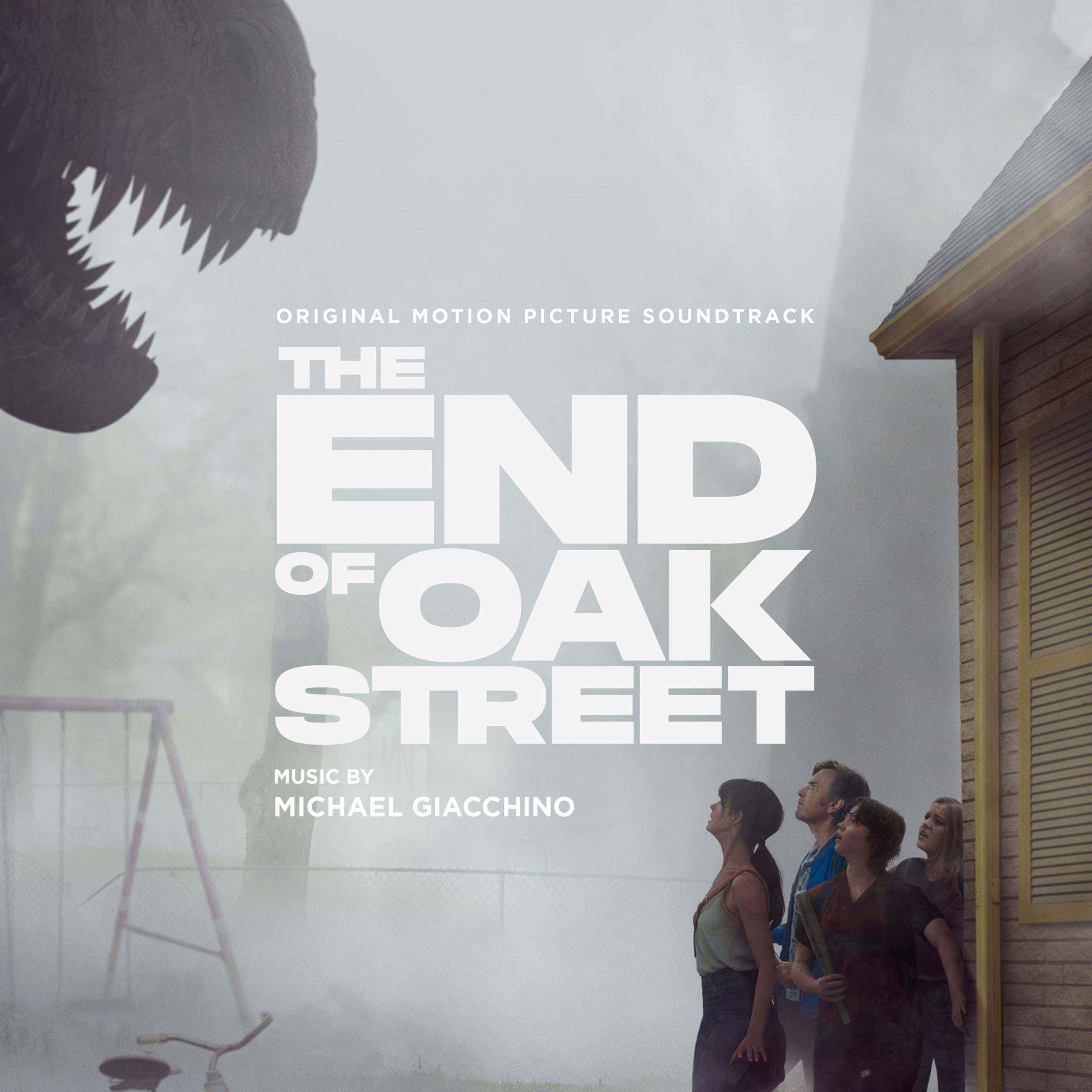
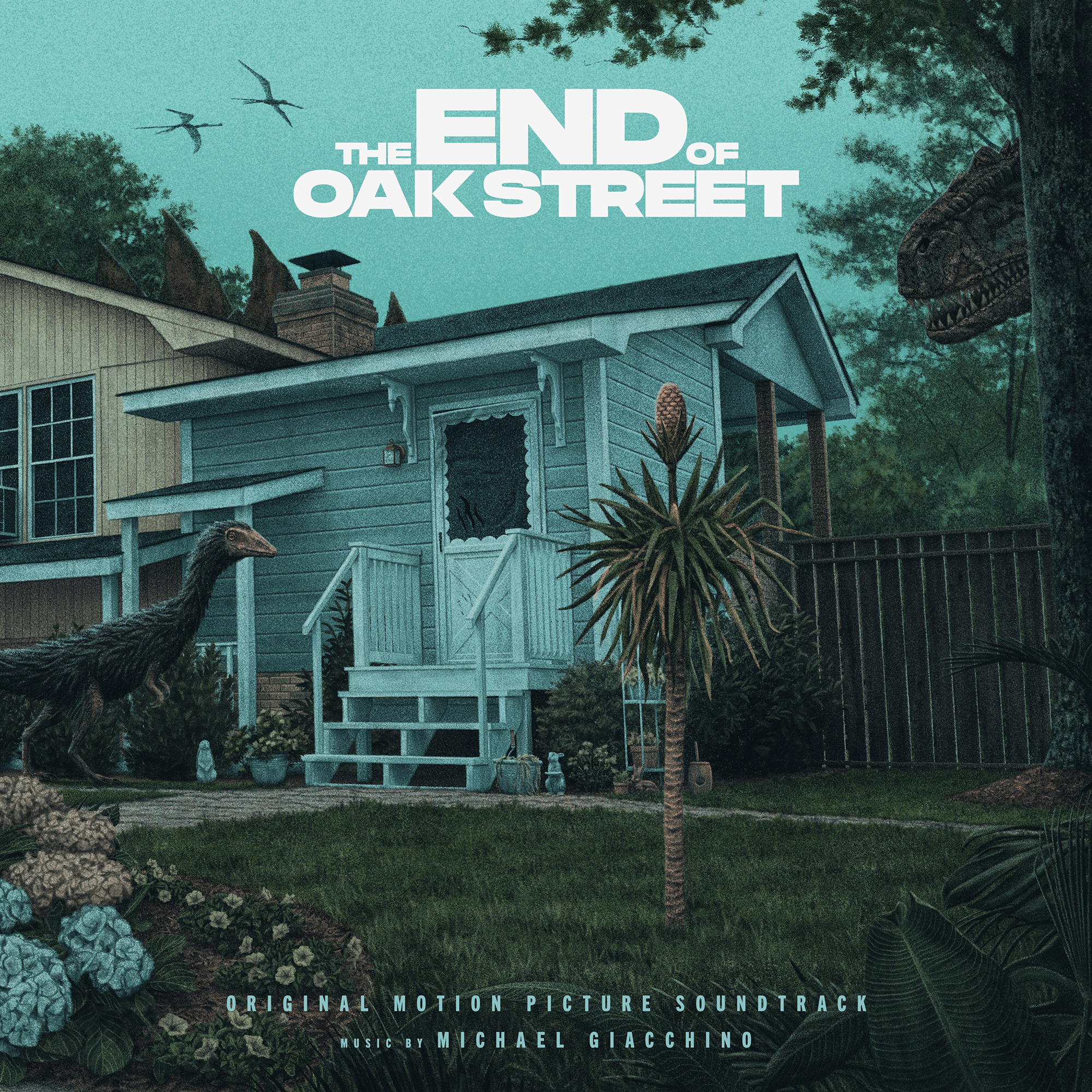
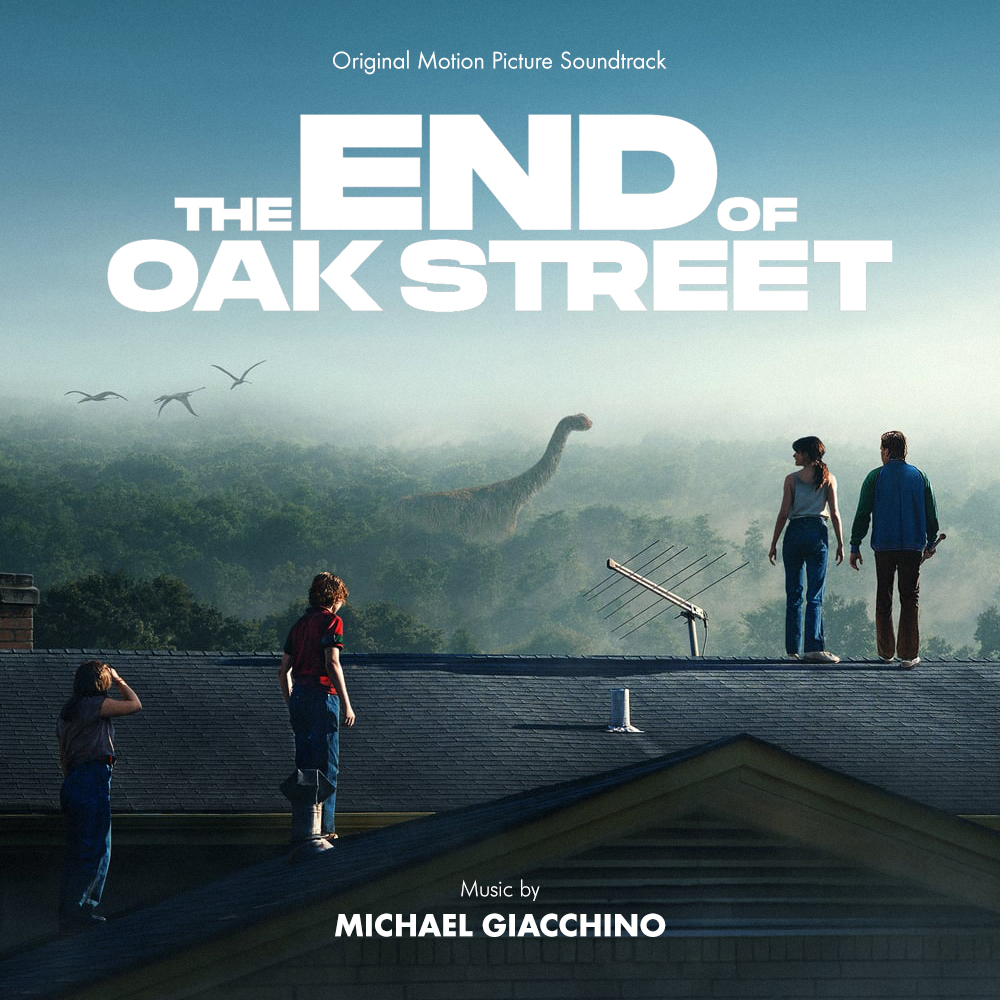
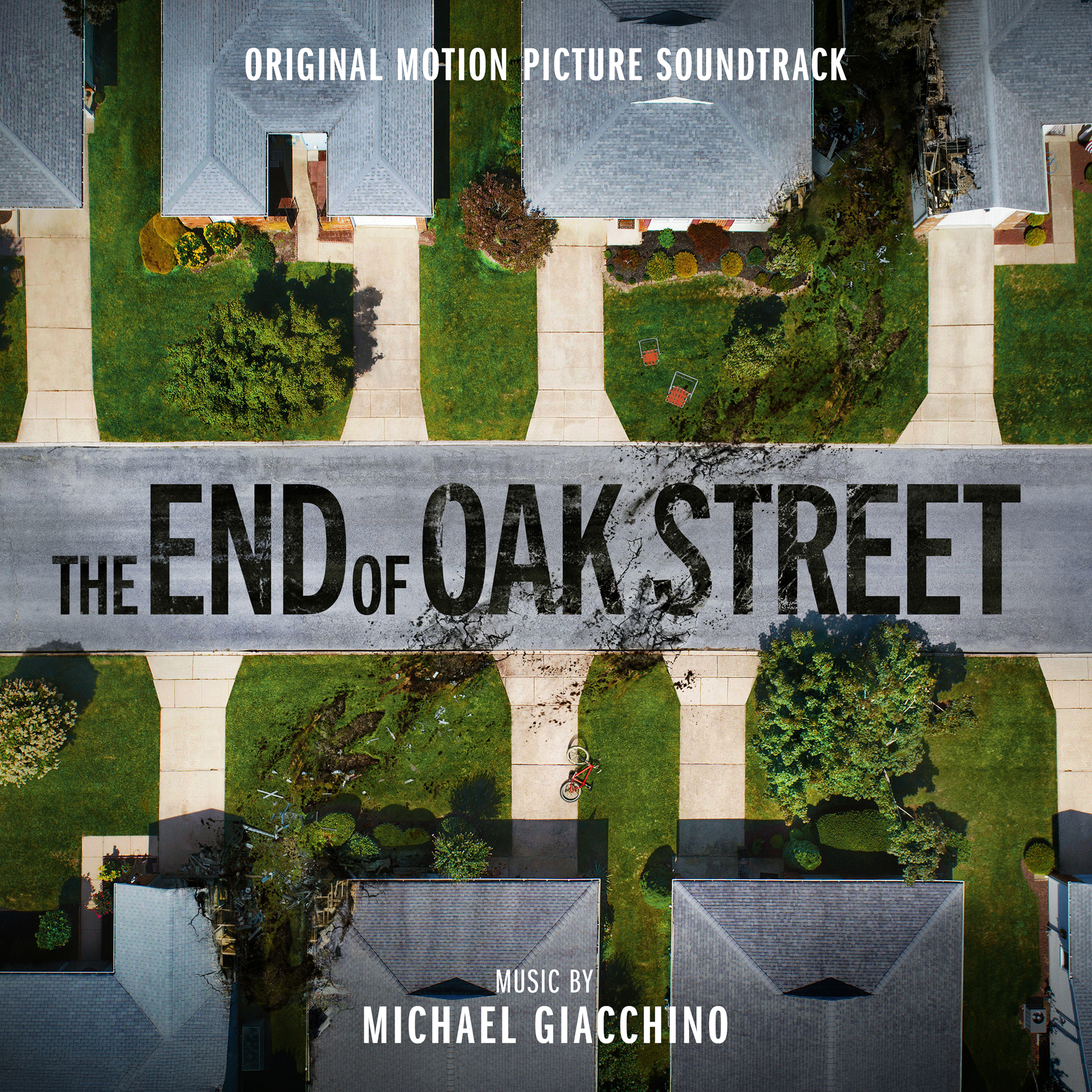
David Robert Mitchell, who wrote, co-produced, and directed the film, is undoubtedly a master of his craft. He “wastes” the entire first act of this tight 90-minuter to establish a refreshingly creative premise and makes us care about his characters.
And while part of this may be down to the influence of Spielberg, as soon as the prehistoric lizards make their appearance, the director demonstrates his true horror merits: The suspense gets cranked up to eleven and the film delivers some jaw-dropping shocks that make you wonder how it managed to get away with a PG-13 rating. Seriously, fuck! Even days later some scenes linger on in my head and I’m still wondering how much violence and despair (including a clever, but also disturbing finale) can be squeezed into a seemingly fun sommer family blockbuster.
“Lean, clever, original, cheer-at-the-screen entertainment that will traumatize 10-year-olds for life and make their parents feel like they’re kids again.”
Indiewire
This brilliant summary of the film comes from David Ehrlich who reviewed the film for Indiewire. In his article he also mentions another trait that I noticed in exactly the same way. Just like It Follows and Under the Silver Lake before it, The End of Oak Street carries that very particular “alone together” vibe typical of Mitchell’s work.
His characters often times seem to struggle with traumas and problems which they have to face by themselves. The only difference is, instead of individual human beings in isolation, this time it involves an entire suburban neighborhood that is teleported to the Cretaceous Period. And while the giant reptiles welcome the new human flavour to their diet, frightened and overwhelmed families hole up indoors and fight for their very survival – each on their own. That’s a pretty heavy subtext, and Mitchell takes the time throughout the film to really drive that feeling home.
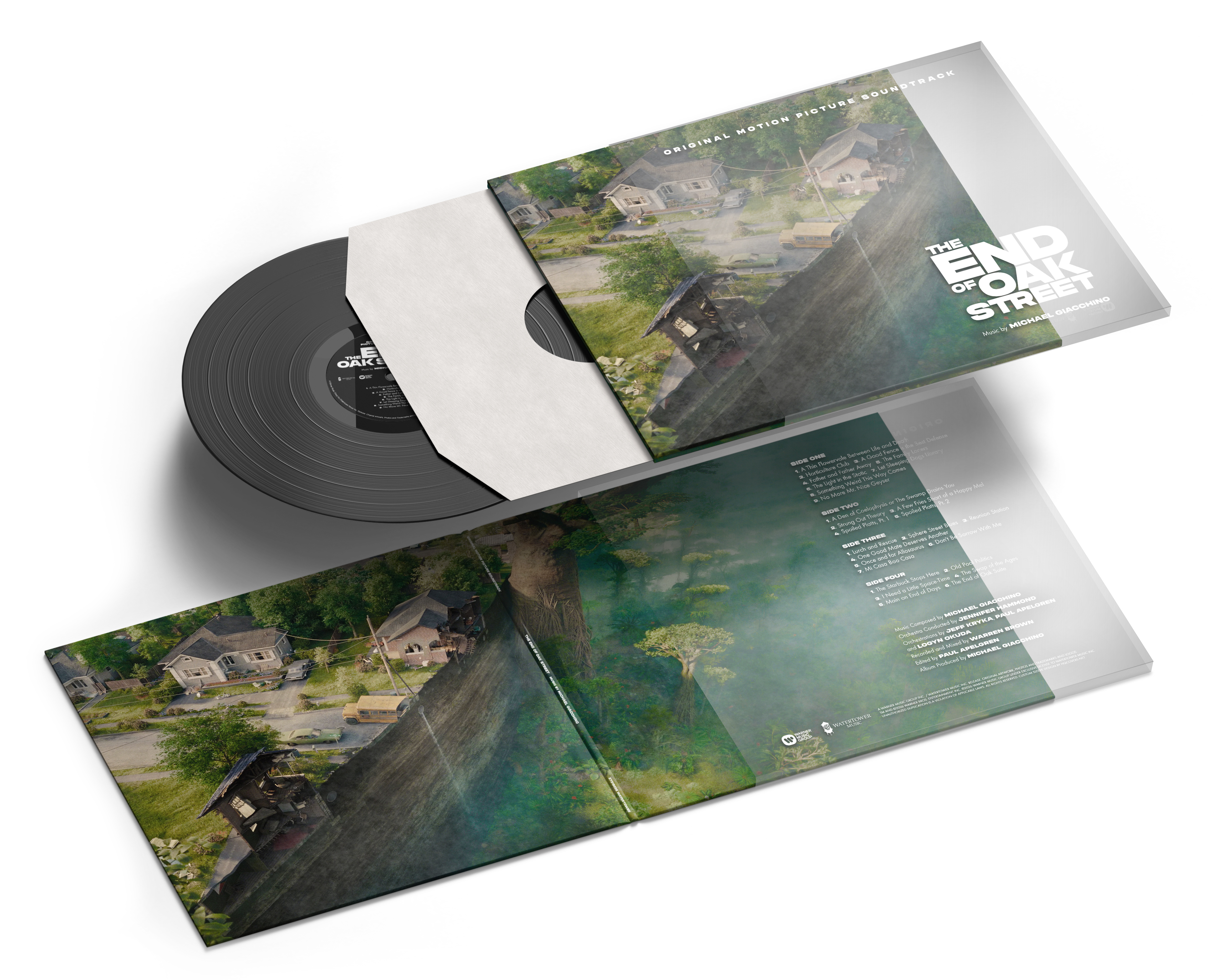
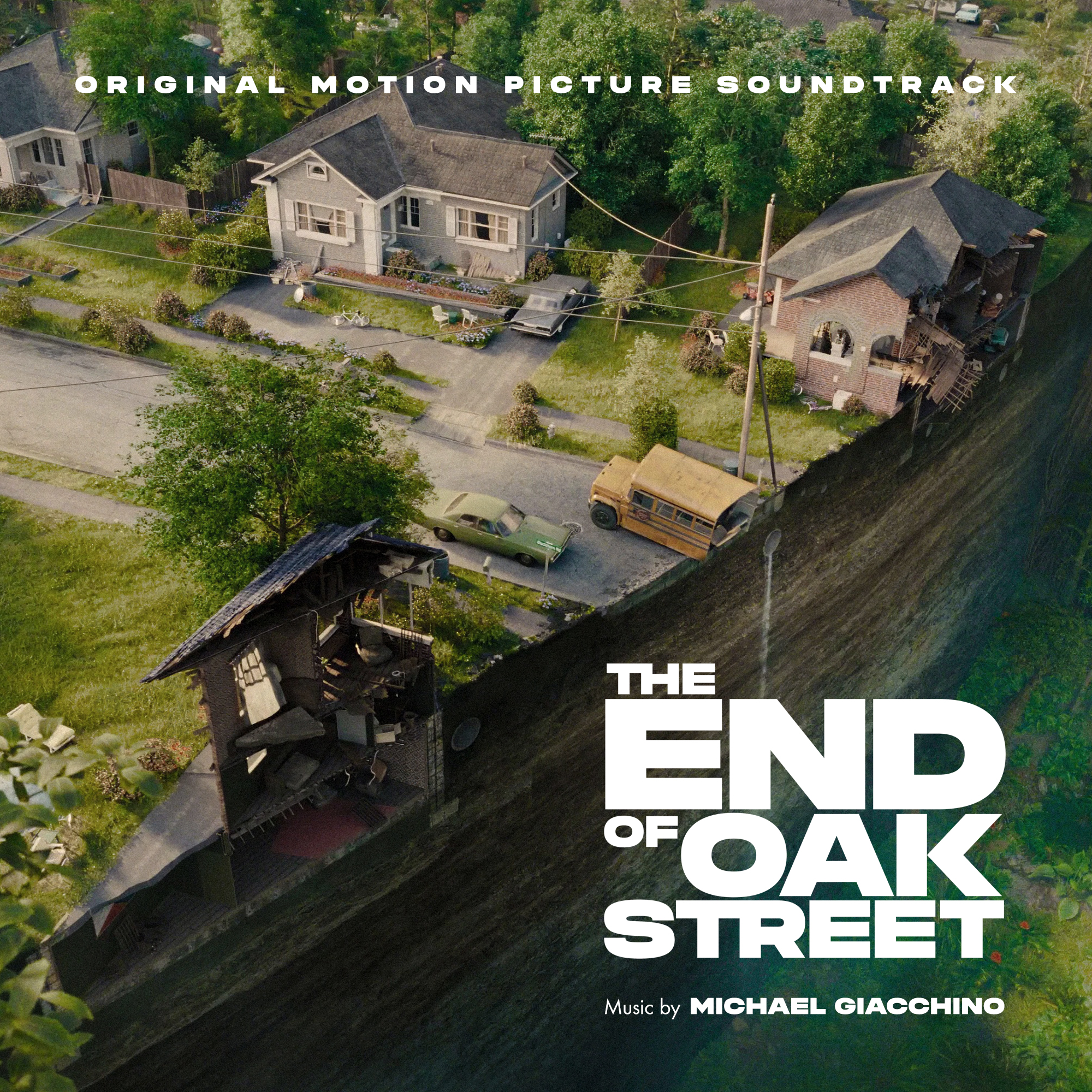
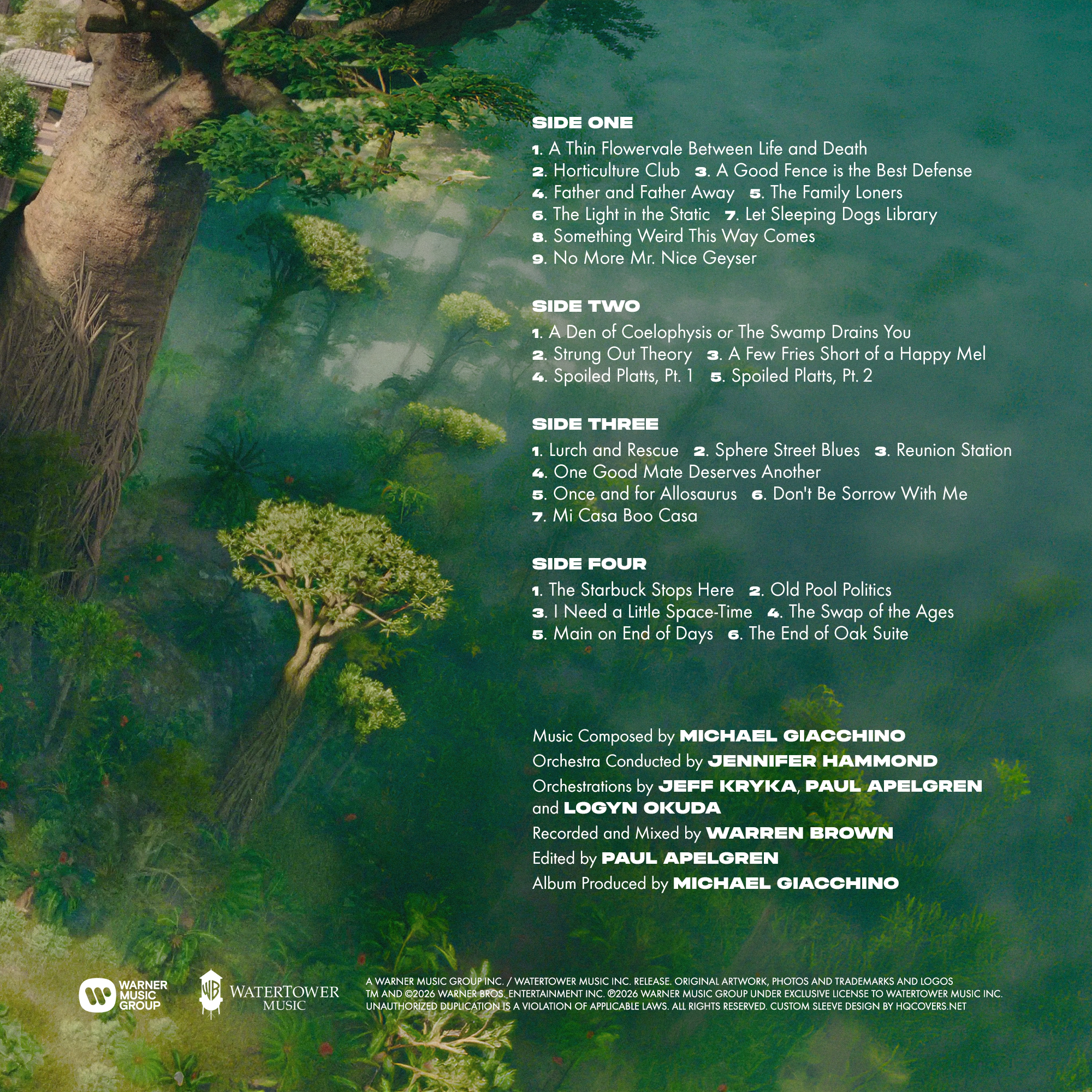
Luckily there’s also Michael Giacchino, who has always been capable of tapping into that particular John Williams cinematic language, that brings warmth and comfort to our ears. He has rarely been treading these waters the last couple years, but now he’s back again – at last. And what a joy it is!
The Williams-esque themes that bookend the film feel expansive, playful and wonderfully old-fashioned and make The End of Oak Street feel like a genuine ’80s adventure flick, before the music twists into something darker when the film’s more sinister side emerges. As usual, Giacchino excels in underlining the tension and terror, and that combination of both these worlds is pretty irresistible.


[…] with my friend Sonic (of Sonic Adventure Master Blaster fame… iykyk), and we were discussing The End of Oak Street and Michael Giacchino’s film score in particular. At one point, Sonic asked me which of […]
LikeLike