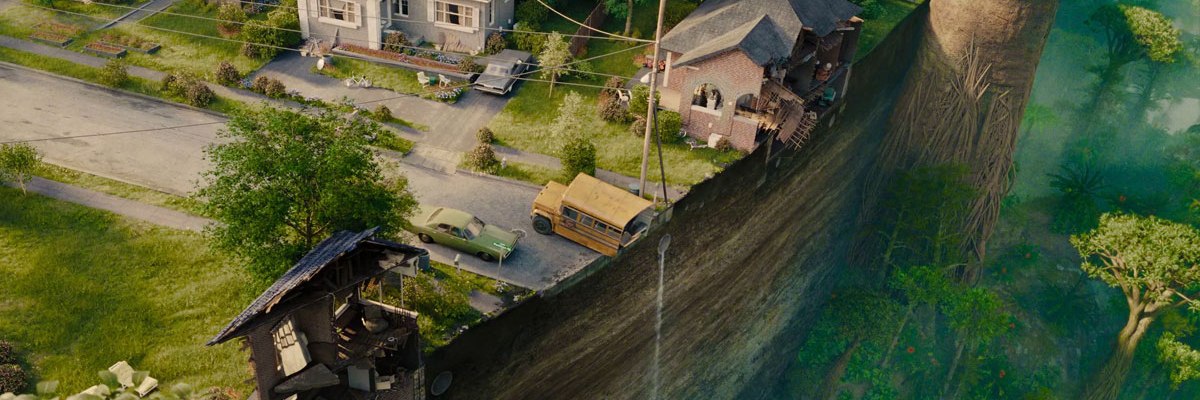
There’s something wonderfully suspicious about quiet suburban streets in the ’80s. Bikes are leaning against the garages. Streetlights glow through the evening mist. Somewhere, a synthesizer is humming on the soundtrack. Everything looks perfectly familiar. And then something goes horribly wrong. The End of Oak Street feels like it was beamed in from an alternate universe where the great suburban adventure movies of the past were just a little darker, stranger and considerably more dangerous. It wears its nostalgia proudly, but thankfully never feels like a hollow exercise in retro worship. Instead, it takes those classic Spielberg tropes (kids, broken…